

Engine Room Ventilation for
Ferries & Tourism Vessels
Custom Marine Ventilation Solutions For Passenger Ferries, High-speed Craft and Commercial Tourism Vessels.
Ferries and tourism vessels operate in a wide range of marine environments, often with demanding schedules, high engine loads and limited opportunities for downtime.
Maintaining effective engine room ventilation is essential for managing machinery-space temperatures, providing sufficient combustion air and protecting equipment from salt-laden moisture.
At Marine Air Flow International, we specialise in the design and manufacture of engine room ventilation equipment for commercial marine applications.
From high-speed passenger ferries and river transport vessels to larger RoRo ferries and tourism craft, we work with naval architects, vessel manufacturers and operators to calculate ventilation requirements and recommend suitable equipment.
All our products are manufactured at our Gold Coast facility in Queensland, Australia, and supplied to marine projects worldwide.
Ventilation Challenges for Ferries and Passenger Vessels
Unlike vessels used occasionally for recreational purposes, commercial passenger ferries and tourism boats may operate for extended periods, often completing multiple journeys each day.
Their ventilation systems must be designed around the vessel's machinery, operating environment and expected duty cycle.
Managing Engine Room Heat During Continuous Operation
ferries frequently operate on demanding schedules, with engines running for extended periods and machinery spaces exposed to significant heat loads.
Without sufficient ventilation, heat can accumulate within the engine room, potentially affecting equipment performance and operating conditions.
An appropriately sized ventilation system helps remove excess heat while providing the airflow required by the vessel's machinery.
Marine Air Flow calculates ventilation requirements based on factors including engine horsepower, machinery configuration, geographical location and expected ambient conditions.
This ensures equipment recommendations are based on the operating requirements of each vessel rather than a standardised approach.
Protecting Machinery from Salt Spray and Moisture
Ferries and tourism vessels operating in coastal waters are regularly exposed to salt-laden air, sea spray and changing weather conditions.
Moisture entering the engine room through ventilation openings can contribute to corrosion and deterioration of machinery, electrical components and supporting equipment.
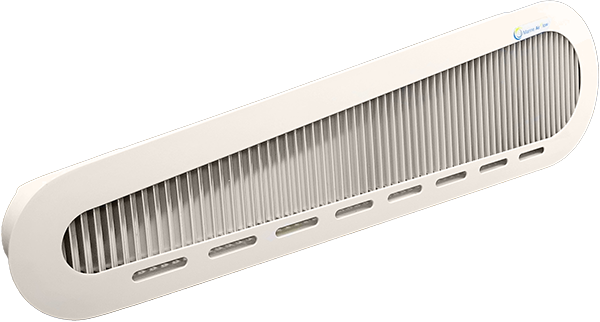
Marine Air Flow's air intake grilles incorporate mist separation technology designed to reduce the amount of salt-laden moisture entering the machinery space while maintaining the required airflow.
This is particularly important for vessels operating in tropical, coastal and offshore environments.
Ventilation for High-Speed Passenger Ferries
High-speed passenger ferries present their own ventilation challenges. Powerful engines, compact machinery spaces and changing operating conditions require careful consideration of ventilation capacity and available installation space.
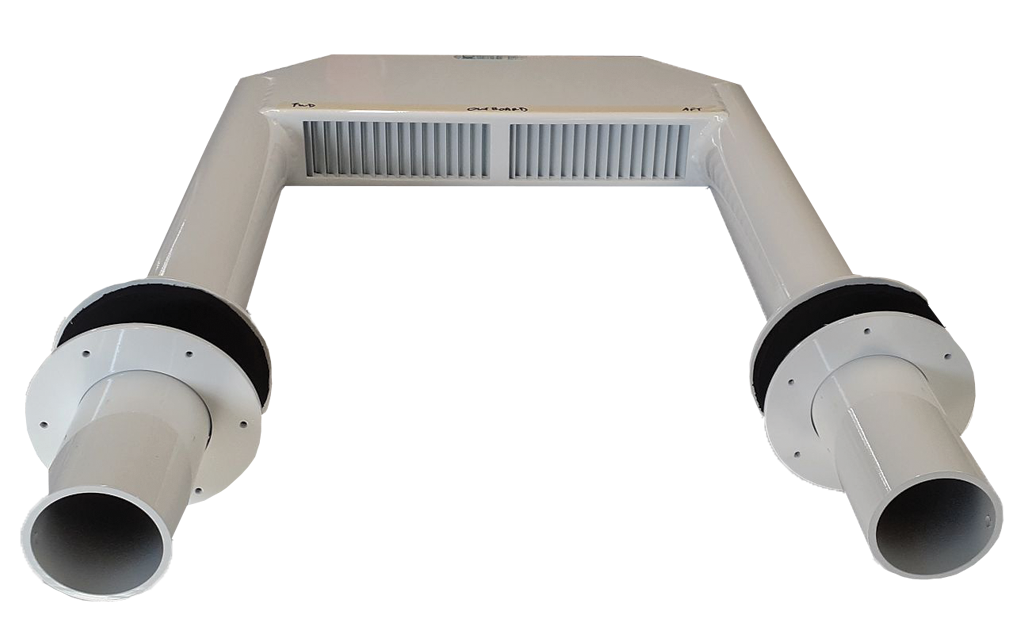
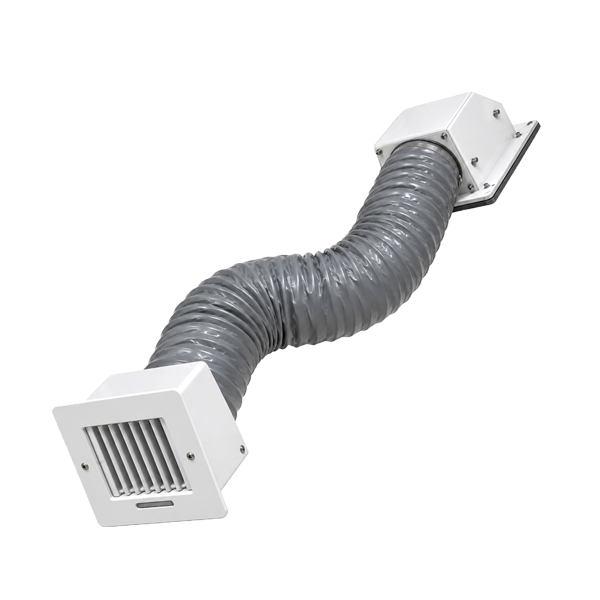
Air intake grilles, ventilation fans and dampers must be appropriately sized and configured to provide effective airflow within the vessel's design constraints.
Our custom manufacturing capabilities allow us to develop equipment suited to the requirements of individual high-speed ferry projects.
Working Within Limited Installation Space
Space aboard passenger vessels is valuable, and machinery spaces must often accommodate engines, generators and supporting equipment within restricted areas.
Ventilation equipment must be selected to suit the vessel's General Arrangement while providing the necessary airflow. Marine Air Flow manufactures custom-sized equipment, allowing ventilation components to be configured around available space and project requirements.
Past Ferry & Tourism Projects


Custom Engine Room Ventilation Equipment for Ferries
Marine Air Flow International manufactures a range of specialist ventilation products for commercial passenger vessels.
Equipment selection is based on the requirements of each project, with typical ventilation arrangements incorporating air intake grilles, air dampers and ventilation fans.
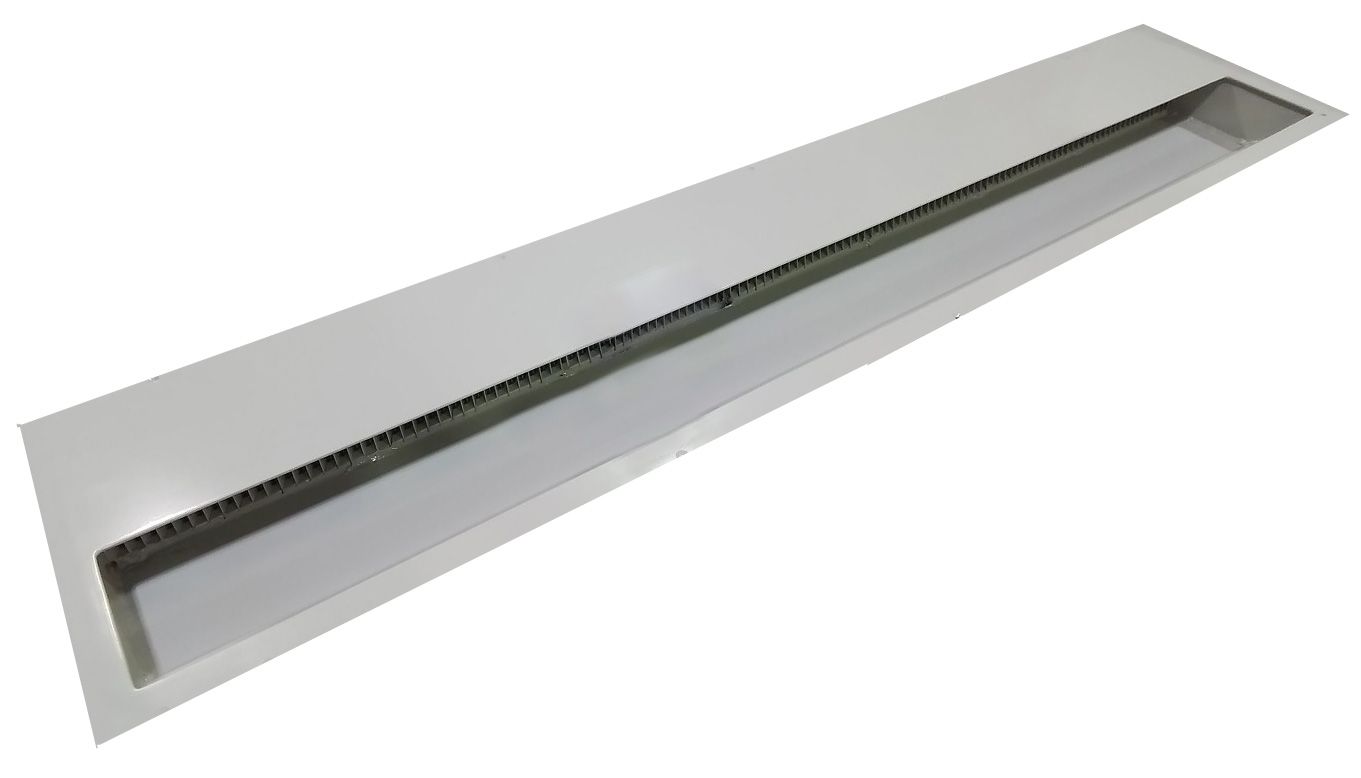
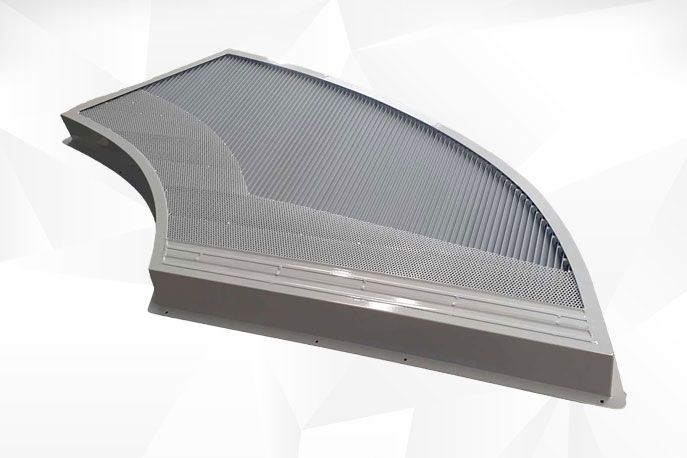
Marine Air Intake Grilles
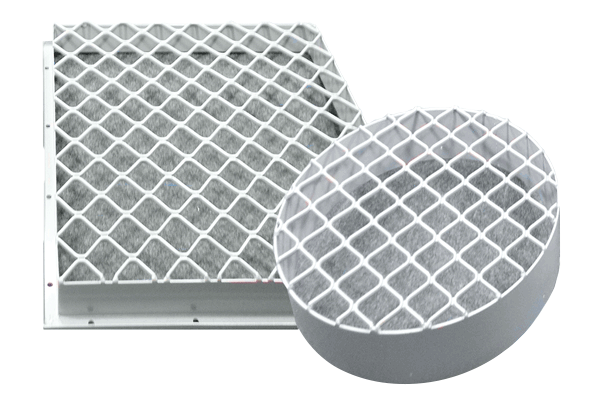
Our marine air intake grilles are designed to provide airflow while helping separate salt-laden moisture from incoming air.
Manufactured to suit individual vessel requirements, our grilles can be configured around available installation space, airflow capacity and the vessel's operating environment.
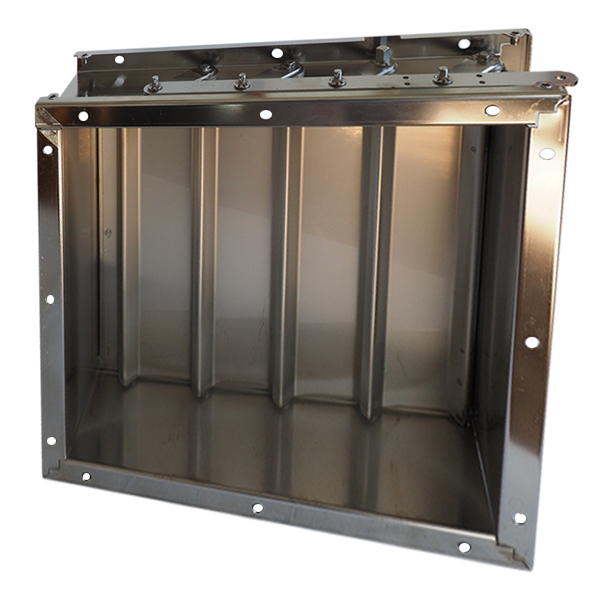
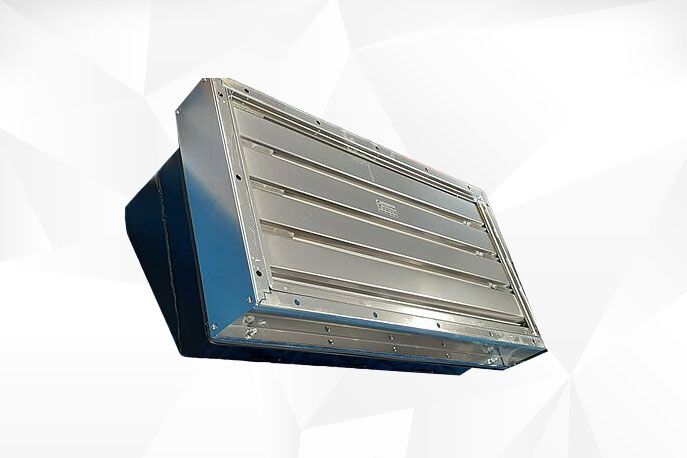
Marine Air Dampers and Fire Flaps
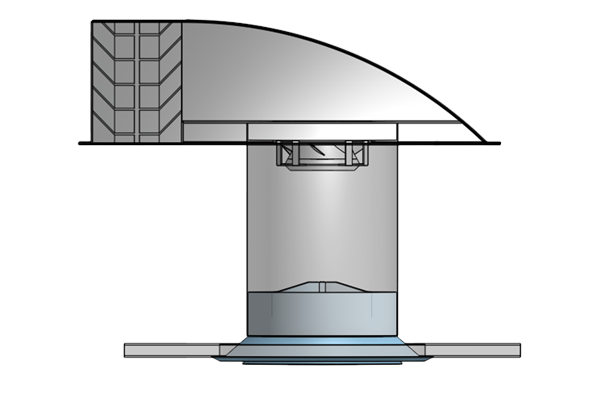
Marine Air Flow manufactures manual and automated air dampers and fire flaps for marine applications.
These components provide airflow control and ventilation opening closure where required by the vessel's design and applicable safety requirements.
Equipment is selected according to the specific requirements of each project.
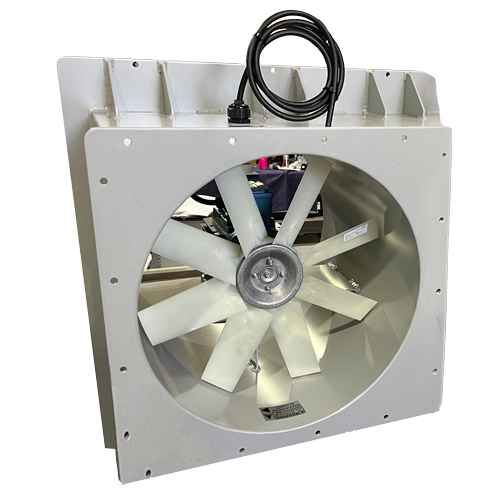
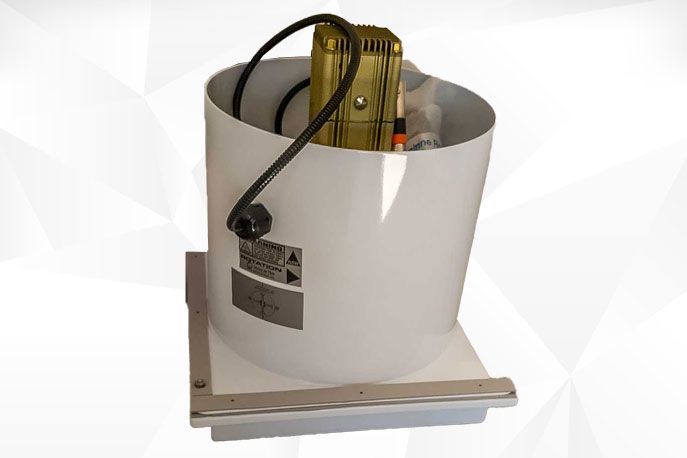
High-Volume Marine Ventilation Fans
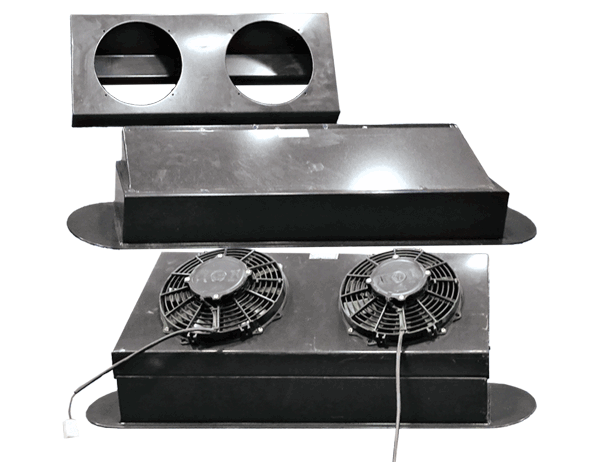
Our high-volume DC ventilation fans provide mechanical airflow to assist with engine room ventilation and heat removal.
Fan selection considers the calculated airflow requirements, machinery arrangement and operating conditions of the vessel.
Custom-Manufactured Ventilation Components
No two ferries have identical ventilation requirements.
Our Gold Coast manufacturing facility allows us to produce custom equipment to suit different vessel sizes, machinery configurations and installation arrangements.
Engine Room Ventilation Designed Around Your Vessel
At Marine Air Flow International, we understand that effective ventilation begins with accurate calculations and appropriate equipment selection.
We regularly work with naval architects, commercial boatbuilders and project teams, including projects where Marine Air Flow has been nominated as the preferred ventilation equipment supplier during the tender process.
Our approach typically involves four stages.
1. Review Vessel Drawings and Specifications
We begin by reviewing the vessel's General Arrangement (GA) drawings and relevant technical information.
This helps us understand the machinery configuration, available ventilation openings and installation requirements.
2. Calculate Airflow Requirements
Our team calculates the vessel's ventilation requirements using information such as:
- Engine horsepower and machinery requirements
- Vessel operating conditions and duty cycle
- Geographical location
- Expected ambient temperatures and airflow
- Machinery-space arrangement and available installation space
3. Recommend Suitable Ventilation Equipment
Based on these calculations, we recommend appropriate air intake grilles, dampers, fans and other relevant ventilation components.
Each recommendation is tailored to the vessel's requirements.
4. Provide Equipment Recommendations and Quotation
We supply a recommended equipment list together with our quotation, allowing the project team to review the proposed ventilation arrangement.
Once approved and ordered, the equipment is manufactured at our Gold Coast facility.
Our Experience in Ferry and Tourism Vessel Ventilation
Marine Air Flow International has supplied engine room ventilation equipment for a diverse range of passenger transport and tourism vessels operating in Australia and internationally.
Our project experience includes:
56-Metre RoRo Ferry, Abu Dhabi
Marine Air Flow supplied ventilation equipment for a 56-metre roll-on/roll-off ferry project in Abu Dhabi.
The project demonstrates our involvement in larger commercial ferry applications, including vessels intended for operation in regions with high ambient temperatures.
Ocean Explorer, Hamilton Island
We supplied engine room ventilation equipment for the Ocean Explorer tourism vessel associated with Hamilton Island in Queensland.
Tourism vessels operating in tropical marine environments require careful consideration of machinery-space ventilation and protection against salt-laden moisture.
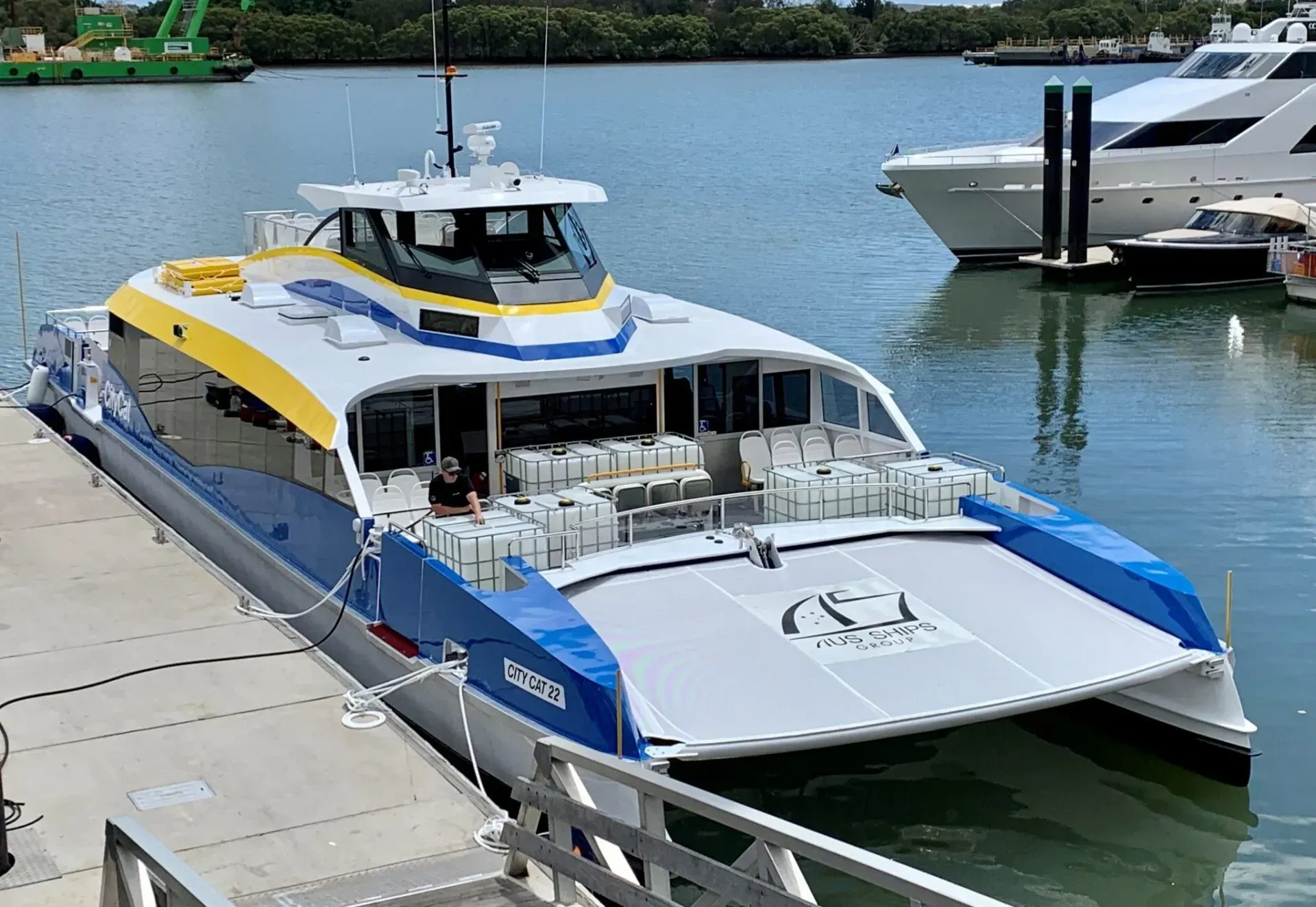
Brisbane RiverCats
Marine Air Flow has supplied ventilation equipment for Brisbane RiverCat passenger ferry projects.
These vessels form part of Brisbane's river transport network, providing a relevant example of our experience in passenger transport applications.
Batam Fast Ferry
Our project experience also includes a fast ferry associated with Batam, Indonesia.
High-speed passenger vessels require ventilation equipment suited to their machinery arrangements, available installation space and operating requirements.
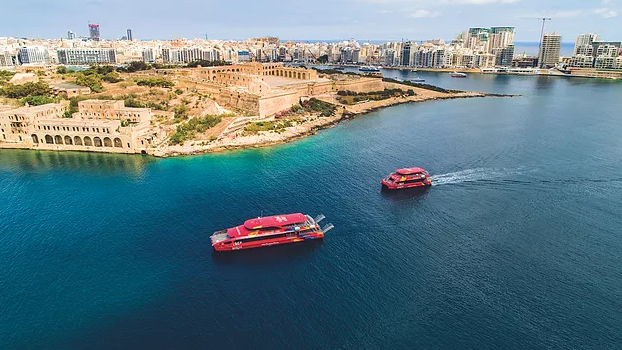
Malta Ferry Projects
Marine Air Flow has supplied ventilation equipment for two ferry projects in Malta.
These projects further demonstrate our experience supporting commercial passenger vessel applications in international markets.
Why Choose Marine Air Flow International?
Specialist Engine Room Ventilation Knowledge
Marine Air Flow focuses specifically on marine engine room ventilation.
Our experience allows us to calculate airflow requirements and recommend equipment based on the needs of each vessel.
Australian Design and Manufacturing
All our ventilation products are manufactured at our Gold Coast facility in Queensland.
This allows us to provide custom-sized equipment suited to the requirements of commercial vessel projects.
Experience Across Different Ferry Applications
Our experience includes river passenger ferries, high-speed craft, tourism vessels and larger RoRo ferry projects.
We understand that ventilation requirements vary significantly between vessel types, machinery arrangements and operating environments.
Custom Equipment Selection
Rather than supplying a standard package for every vessel, we calculate ventilation requirements and recommend products suited to each project.
Worldwide Supply
Marine Air Flow supplies engine room ventilation equipment to vessel manufacturers and operators throughout Australia and internationally.
Frequently Asked Questions
What ventilation equipment is typically required for a passenger ferry?
Engine room ventilation arrangements commonly incorporate air intake grilles, ventilation fans and air dampers or fire flaps. The specific equipment required depends on the vessel's machinery, operating conditions, ventilation design and applicable safety requirements.
How do you calculate engine room ventilation requirements for ferries?
We assess engine horsepower, machinery requirements, operating conditions, geographical location, ambient temperatures and airflow. These factors help determine the ventilation capacity required and guide equipment selection.
Can Marine Air Flow supply equipment for high-speed ferries?
Yes. Marine Air Flow has experience supplying ventilation equipment for high-speed ferry applications. We assess the requirements of each vessel and recommend suitable products based on its specifications and operating environment.
Do you manufacture custom ventilation equipment for passenger vessels?
Yes. All Marine Air Flow products are manufactured at our Gold Coast facility in Queensland, allowing us to produce equipment suited to individual vessel dimensions and installation requirements.
Can your ventilation equipment help reduce salt spray entering ferry engine rooms?
Yes. Our marine air intake grilles incorporate mist separation technology designed to reduce salt-laden moisture entering the engine room while maintaining the required airflow.
Do you work with international ferry builders and naval architects?
Yes. Marine Air Flow works with vessel manufacturers, naval architects and marine project teams in Australia and internationally. Our project experience includes ferry applications in Abu Dhabi, Indonesia and Malta.
Discuss Your Ferry or Tourism Vessel Ventilation Project
Whether you're designing a new passenger ferry, developing a tourism vessel or preparing specifications for an upcoming commercial marine project, Marine Air Flow International can assist with engine room ventilation calculations and equipment recommendations.
Send us your vessel's General Arrangement drawings and relevant machinery specifications, and our team can assess your requirements and prepare a recommended equipment list and quotation.